Agriculture Industry
Introduction
Agriculture is more than just an industry in India – it is the backbone of the economy and a way of life
for millions. Nearly 45% of India’s workforce is engaged in agriculture and allied sectors, contributing a
significant share to the country’s Gross Value Added. With new sectors such as agri-logistics, food
processing, agri-tech and exports, the agriculture ecosystem now offers multiple opportunities to build
sustainable businesses.
This guide gives you a compliance-first roadmap to launch or regularise your agriculture business – from
choosing the right business structure and licences to ongoing registrations and filings.
Type of Business Suitable for the Agriculture Industry
One of the first decisions is to make the legal structure of your agri-business. In India, you have
several options for business entity type, each with its pros and cons. The common structures include:
-
Sole Proprietorship: A simple structure where one person owns and runs the business.
Ideal for small farms or local produce sales due to minimal compliance. However, the owner has unlimited
personal liability. -
Partnership Firm: Suitable for joint ventures between farmers or investors. Easy to
start with a partnership deed. Registration is optional, but recommended. Profits and liabilities are
shared. -
Private Limited Company: Ideal for scalable agri-startups, food processing units,
export-oriented businesses and ventures seeking funding. Separate legal entity, limited liability and
easier to raise capital. -
Limited Liability Partnership (LLP): Offers limited liability, with partnership-style
management. Ideal for agri-consultancies or joint ventures where two or more partners manage operations.
Key Licences & Registrations for Agriculture Businesses
Depending on the exact nature of your agriculture venture, you may need a combination of central, state
and local registrations. Common requirements include:
- Business Registration: Incorporation of Proprietorship / Partnership / LLP / Company
with PAN & TAN. - FSSAI Registration: Mandatory if you are involved in food processing, packaging or
sale of edible products. - GST Registration: Required when turnover crosses the prescribed limit or for
inter-state supply and exports. - Agri-Market / APMC Licences: For trading in notified agricultural commodities
across mandis and markets. - Shops & Establishment / Labour Registrations: For employees, warehouses, offices
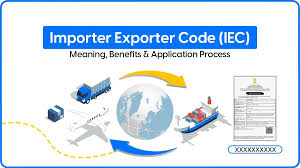
and outlets. - Import Export Code (IEC): Mandatory for agro-exports or import of seeds, inputs and
equipment.
Ongoing Compliance for Agriculture Businesses
Once your business is registered, ongoing compliance ensures you stay penalty-free and investor-ready.
Typical compliances include:
- ROC annual filings for companies and LLPs.
- GST returns, TDS payments and income-tax filings.
- Maintenance of proper books of accounts and stock registers.
- Timely renewal of FSSAI licences, trade licences and local permits.
Legal Infinix offers dedicated CA, CS and compliance support so that farmers, founders and investors can
focus on growing the agri-business while we handle the paperwork.