January 14, 2026 • Blog
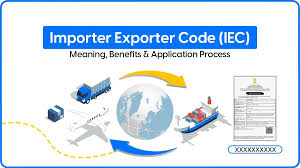
What is the IEC Code? Do You Know the complete form of the IEC Code?
The Import-Export Code (IEC) has lifetime validity, meaning once the DGFT issues it, it does not expire or…
Read more →Our experts guide you through factory licence registration, renewal, applicable fees, penalties, inspections, and allied approvals such as Fire NOC and Pollution NOC across India
Free Expert Call
Fill in your details and get a personalised Factory License plan with exact government fee and timelines for your business.
Setting up a factory in India involves more than installing machinery and hiring workers. One of the most critical legal requirements is obtaining a Factory Licence Registration under the Factories Act, 1948. At LegalInfinix, we simplify the entire process—from application to approval and renewal—so you can focus on running your manufacturing business without compliance stress.
A Factory Licence is a mandatory statutory approval issued by the State Labour Department or Directorate of Factories & Boilers. It authorises a manufacturing unit to legally carry out industrial operations and certifies compliance with labour laws, occupational safety norms, health regulations, and environmental standards.
As per the Factories Act, 1948, factory registration is compulsory if:
Operating a factory without a valid licence is a punishable offence and may result in fines, prosecution, or closure of the unit.
Speak to LegalInfinix today to get your factory licence for industrial or construction sites.
Factory licence registration is a legal obligation for all eligible manufacturing units. The government enforces this requirement to ensure:
Factories operating without registration may face heavy penalties, licence suspension, or imprisonment. A valid licence also makes it easier to obtain additional approvals, participate in government tenders, and establish operational credibility.
For businesses operating in Delhi, MCD Factory Licence Registration is especially important to avoid municipal and labour law violations.
A factory licence legally validates your operations and safeguards your business from penalties, shutdowns, and compliance disputes.
Mandatory safety measures reduce industrial accidents and improve workforce productivity and morale.
Licensed factories gain easier access to funding, partnerships, and expansion opportunities.
Only licensed factories can avail government schemes, incentives, and industrial subsidies.
Builds trust with investors, suppliers, customers, banks, and government authorities.
LegalInfinix provides factory licence services across Delhi, Haryana, Uttar Pradesh, and other Indian states.
We also assist with Pollution NOC and Fire NOC in Delhi, Haryana, and Uttar Pradesh.
LegalInfinix ensures complete documentation and error-free filing.
Step 1: Factory Plan Approval
Submit architectural and building plans to the Labour Department for safety compliance.
Step 2: Notice of Occupation (Form 1)
File Form 1 at least 15 days before commencing operations.
Step 3: Online Application (Form 2)
Register on the State Labour Department or Factory Inspectorate portal (MCD/SDMC/EDMC as applicable) and complete Form 2.
Step 4: Upload Documents
Attach all prescribed documents in the required format.
Step 5: Payment of Fees
Pay factory licence fees online based on workforce size and machinery horsepower.
Step 6: Inspection & Scrutiny
Authorities may conduct a physical inspection to verify compliance.
Step 7: Issue of Factory Licence
Upon approval, the Factory Licence Certificate is issued digitally.
25–30 working days, subject to inspection and documentation.
Renewal documentation and fees remain largely the same as initial registration.
Production cannot legally commence without this certificate.
Even a small error in factory licence registration can cause major delays or rejection. At LegalInfinix, our experienced legal professionals provide:
Get your factory licence registered smoothly with LegalInfinix—contact us today.
We manage complete business setup and compliance across India.
January 14, 2026 • Blog
The Import-Export Code (IEC) has lifetime validity, meaning once the DGFT issues it, it does not expire or…
Read more →
January 14, 2026 • Blog
Starting an NGO in India gives you the chance to make a productive social impact and solve important…
Read more →
January 14, 2026 • Blog
The food delivery industry is growing rapidly in the digital world, driven by customer convenience and advanced technology.…
Read more →